
Travel styles have changed noticeably in recent years. Many travelers once planned vacations with tightly packed schedules filled with tours, reservations, and detailed daily activities. Today, a growing number of people are choosing “no-itinerary” vacations instead. These trips focus less on strict schedules and more on flexibility, spontaneity, and slower experiences. Travelers often leave room for unplanned activities, relaxed exploration, and personal rest during the journey. This shift reflects changing attitudes toward stress, work-life balance, and modern travel expectations. Understanding why no-itinerary vacations are becoming more popular helps explain how travelers are redefining relaxation and meaningful experiences during their time away from daily routines.
Zero Pressure
Many people live highly structured lives filled with work schedules, notifications, deadlines, and constant planning. Even vacations sometimes become stressful because travelers try to maximize every hour of the trip. No-itinerary vacations offer relief from constant scheduling and decision-making pressure. Travelers can wake up without strict time commitments or packed activity lists. This freedom often creates a more peaceful and emotionally refreshing experience. Many people now view travel as an opportunity to slow down rather than continue highly structured routines in a different location.
Reduced Travel Fatigue
Overplanned vacations can become physically exhausting. Constant movement between attractions, transportation schedules, and back-to-back activities may leave travelers feeling tired instead of relaxed. No-itinerary travel encourages slower pacing and fewer rushed transitions throughout the day. Travelers may spend more time enjoying one location instead of trying to visit many places quickly. This slower rhythm often improves comfort and allows people to experience destinations more naturally.
More Spontaneous Experiences
Strict travel schedules sometimes limit opportunities for unexpected discoveries. Travelers focused heavily on timelines may overlook local recommendations or spontaneous moments during the trip. No-itinerary vacations create more flexibility for unplanned experiences. People may discover small cafés, quiet beaches, local festivals, or scenic locations simply by exploring without pressure. These unexpected moments often become some of the most memorable parts of travel experiences. Flexibility allows travelers to respond naturally to their surroundings and personal interests.
Better Mental Health
Modern lifestyles often involve constant digital stimulation and mental fatigue. Many people spend large portions of the day multitasking and making continuous decisions. No-itinerary travel reduces mental overload by removing constant scheduling responsibilities during vacations. Travelers may feel calmer when they are not continuously checking schedules, transportation times, or activity reservations. This relaxed approach often supports better emotional recovery and improved overall well-being during the trip.
Improved Cultural Connection
Travelers who move more slowly through destinations often notice local culture more deeply. Strict itineraries sometimes focus mainly on famous attractions without allowing time for ordinary daily experiences. Without constant rushing, people may spend more time observing local routines, conversations, and environments. This slower interaction can create stronger cultural understanding and more personal travel experiences. Many travelers now value meaningful connection more than simply visiting famous landmarks quickly.
Flexible Travel Trends
Remote work and flexible travel habits have also contributed to the rise of no-itinerary vacations. Some travelers now combine work and leisure while staying in destinations for longer periods. Flexible travel allows people to adjust plans naturally based on mood, weather, energy levels, or local recommendations. Technology has also made spontaneous travel easier through mobile booking apps and digital navigation tools. This flexibility supports more relaxed and adaptable travel experiences compared …




 Walking through San Francisco is like stepping into a living postcard. Free walking tours offer the perfect way to explore its neighborhoods while learning their stories. The Mission District tour takes you past vibrant murals and trendy cafes, all while sharing tales of its rich Latino heritage. Each splash of color on the walls has a story, and your guide will bring them to life. If you’re drawn to history, try the North Beach tour. Discover how this charming area became known as Little Italy and soak in the bohemian spirit that once thrived here.














 Flight delays can be caused by a variety of factors, including weather, technical issues, or airline-related problems. Planning for potential delays and understanding the reasons behind them can help you stay calm during unexpected changes to your travel plans. Some common causes of flight delays include:
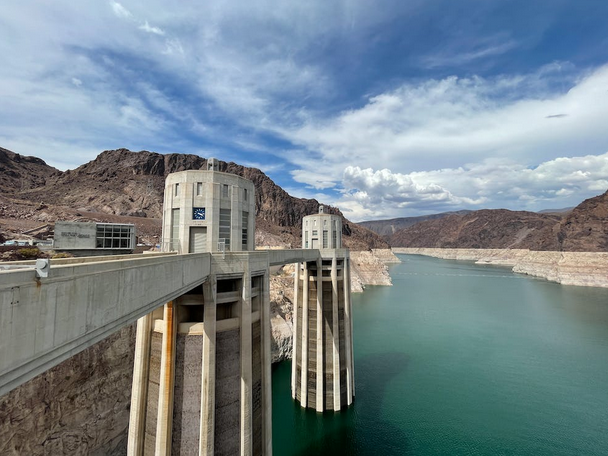


 Last but not least, being realistic when choosing clothes for your travels is essential. It’s easy to get carried away and pack too much, but remember you’ll need to carry everything. Stick to the essentials and be mindful of the weight and size of your luggage. And don’t forget that you can always do laundry while you’re on the road.
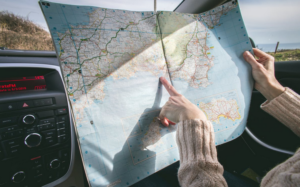 The first step in planning any road trip is to choose your destination. It may seem like a no-brainer, but it’s important to pick somewhere that you’ll want to spend time. Do some research on the area and make sure some activities interest you. You don’t want to end up somewhere boring, so take the time to find a destination that you’ll enjoy. Once you have a general idea of where you want to go, it’s time to start planning your route. If unsure of the best way to get there, use a mapping website or app to help plan your trip. Keep in mind that the shortest route isn’t always the best option. Sometimes, taking a longer but more scenic route can make for a more enjoyable trip.
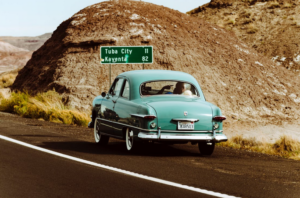 The next step is to choose your transportation. If you have a car, that’s great! But if not, you can always rent one. Just be sure to factor in the cost of gas when budgeting for your trip. If you’re renting a car, get all the insurance covers. You don’t want to be stuck with a massive bill if you have an accident. Also, read the rental agreement carefully to understand all the rules and restrictions. If you’re not renting a car, there are other options for transportation. You could take a bus or train, but that can sometimes be more expensive. You could also hitchhike, but that comes with its own set of risks.
 Do you love manatees? Then you need to add Three Sister Springs to your Florida bucket list. This beautiful spring is one of the few places where you can see these gentle giants up close and personal. Visitors can take a guided kayak tour or paddleboard through the crystal clear waters and get an up-close look at the manatees. You can even snorkel with them. If you’re looking for a more relaxing experience, Three Sister Springs also offers yoga and meditation classes. There is truly something for everyone at this hidden gem in Citrus County.
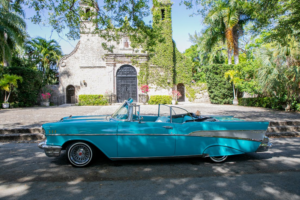 Last but not least, this hidden gem is for all the foodies out there. Little Havana is a neighborhood in Miami home to some of the best Cuban food you will ever eat. From delicious Cuban sandwiches to mouthwatering guava pastries, there is something for everyone in Little Havana. You can also enjoy live music and dance the night away at one of the many clubs and bars. If you’re looking for a truly unique and authentic experience, you need to add Little Havana to your Florida bucket list.
 Different people have different travel styles. Some individuals love to sightsee when the weather is warm. Others like to work on their tan. Therefore, they prefer sunny weather. Some people prefer cold temperatures; consequently, they travel during winter. The weather preference can, thus, help you narrow down your options. You should, however, keep in mind that if you travel during the peak season, you will pay more for your trip. Therefore, if you are on a budget, it is advisable to travel during the off-peak season. The weather may be pleasant, but it may not be what you are looking for. The good thing about this is that few people travel during that season hence you will not be affected by the crowds.
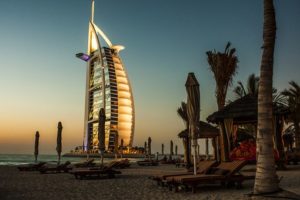 You need to know if you want mountains or beaches. Other experiences include sightseeing, historical visits to various cultural sites and foodie holidays. The travel experience you want will guide you to choosing the best destination for you. If you are traveling with companions, they should have the same goals as yours so that you can all enjoy the trip.…