

South Korea’s urban landscape is evolving at a remarkable pace, with cities like Daegu, Seoul, and Busan becoming hubs of cultural, entertainment, and social activity. For travelers and residents alike, understanding these urban rhythms depends on accurate, timely, and locally focused information. Exploring the 대구의밤 소개, users will see how digital tools capture the pulse of a city, revealing which neighborhoods are buzzing, which streets host the best nightlife, and how social patterns shift throughout the week. Daebam, in particular, offers a case study in how urban information is being collected, shared, and consumed, reflecting broader trends in Korea’s approach to city data. By combining geographic specificity with user-generated insights, it highlights how digital platforms are shaping travel and local exploration.
Geographic Precision That Enhances Exploration
One of the most significant trends Daebam reveals is the value of precise location data for urban exploration. Travelers rarely approach a city with a purely general plan; they seek specific neighborhoods, streets, or venues that match their interests. Daebam organizes information by districts and local zones, allowing users to understand which areas are best for dining, nightlife, or cultural visits. By mapping experiences to defined geographic areas, the platform simplifies urban discovery. Travelers can plan efficiently, knowing which venues cluster together, which streets are pedestrian-friendly, and how entertainment corridors connect. This precision reduces guesswork and creates a more confident, structured experience of the city, reflecting a broader trend in Korea’s urban information ecosystem toward clarity and actionable insights.
Integration of Real-Time Updates

Urban environments are dynamic, and what is relevant today may shift tomorrow. Festivals, new openings, or temporary street events can alter the flow of activity within hours. Daebam addresses this through continuous updates, integrating both official schedules and crowdsourced feedback. This responsiveness allows users to experience the city as it actually functions, rather than relying on static guides. Real-time updates reveal emerging hotspots, seasonal popularity, and temporary closures. For travelers, this immediacy is critical, providing a sense of security and relevance that traditional travel guides often lack. Korea’s cities increasingly rely on such digital adaptability to communicate accurate information, reflecting a nationwide trend toward dynamic urban data management.
User-Generated Insights to Drive Reliability
Another trend highlighted by Daebam is the power of community input. User reviews, photos, and experience sharing create a living database of urban activity, giving a human perspective to digital information. Travelers can compare peer experiences, identify recurring recommendations, and avoid less favorable locations. This approach strengthens credibility because collective experiences reduce bias. Users trust data that has been tested by others, particularly when multiple accounts converge around a district or venue. By emphasizing crowdsourced insights, Daebam mirrors a broader Korean urban trend: platforms are increasingly relying on user participation to maintain relevance, accuracy, and depth in city information.
Cross-District Connections Showing Urban Patterns
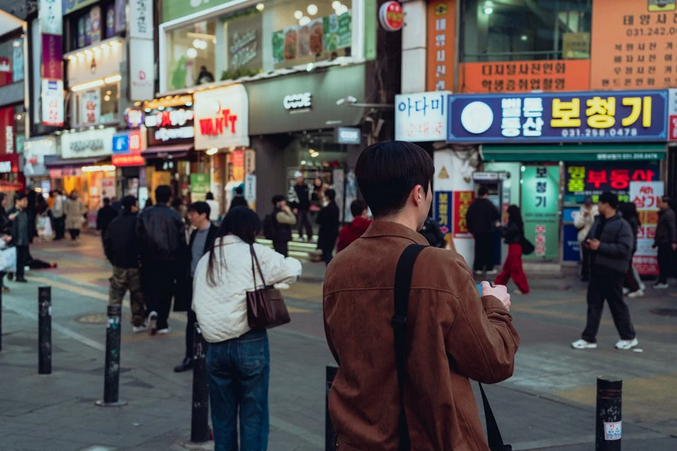
Daebam also reveals how urban information can illuminate patterns that cross district boundaries. Cities are not isolated collections of streets; they operate as networks of interrelated neighborhoods. By analyzing user movements and preferences, the platform highlights which districts are visited sequentially, where entertainment flows shift during the evening, and how cultural hubs influence adjacent areas. This networked perspective transforms travel planning. Instead of treating each neighborhood in isolation, users can explore connected areas with strategic intent, maximizing experiences in time-limited visits. Korean urban …
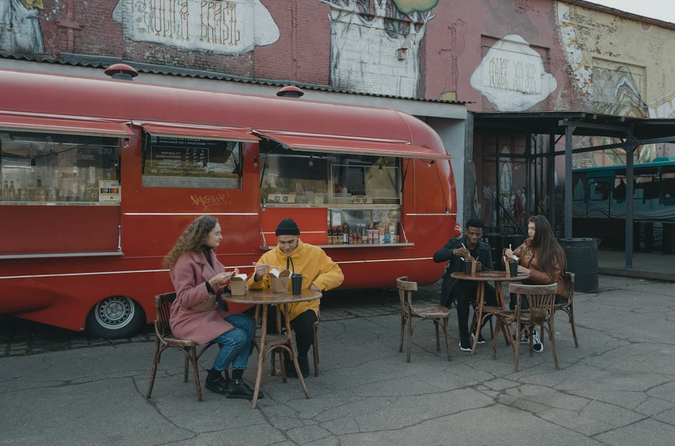


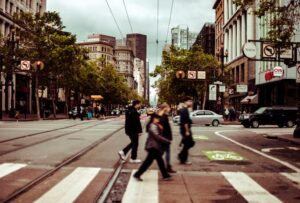 Walking through San Francisco is like stepping into a living postcard. Free walking tours offer the perfect way to explore its neighborhoods while learning their stories. The Mission District tour takes you past vibrant murals and trendy cafes, all while sharing tales of its rich Latino heritage. Each splash of color on the walls has a story, and your guide will bring them to life. If you’re drawn to history, try the North Beach tour. Discover how this charming area became known as Little Italy and soak in the bohemian spirit that once thrived here.








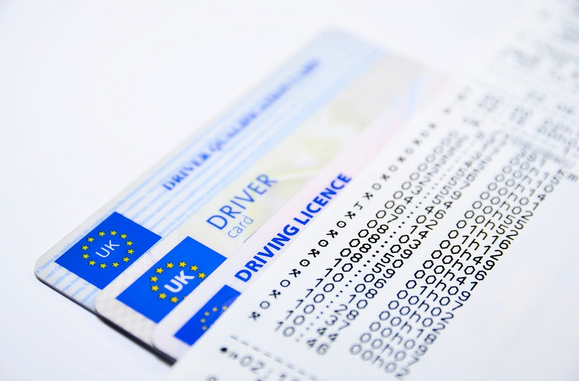
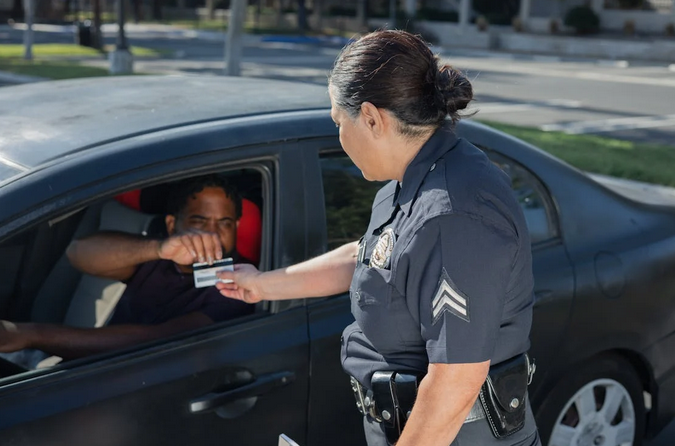



 Flight delays can be caused by a variety of factors, including weather, technical issues, or airline-related problems. Planning for potential delays and understanding the reasons behind them can help you stay calm during unexpected changes to your travel plans. Some common causes of flight delays include: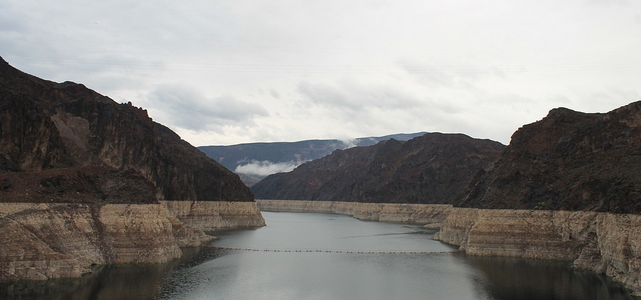
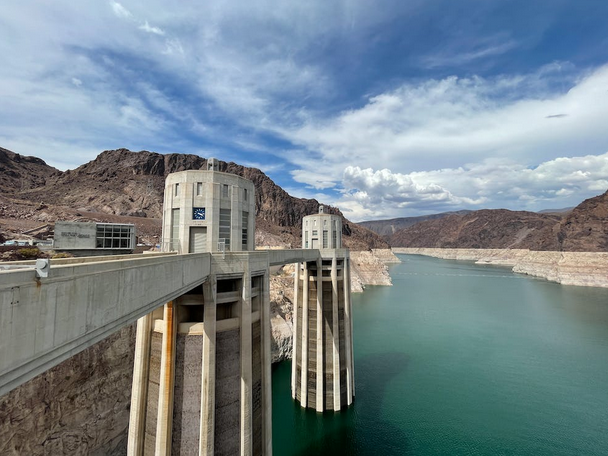


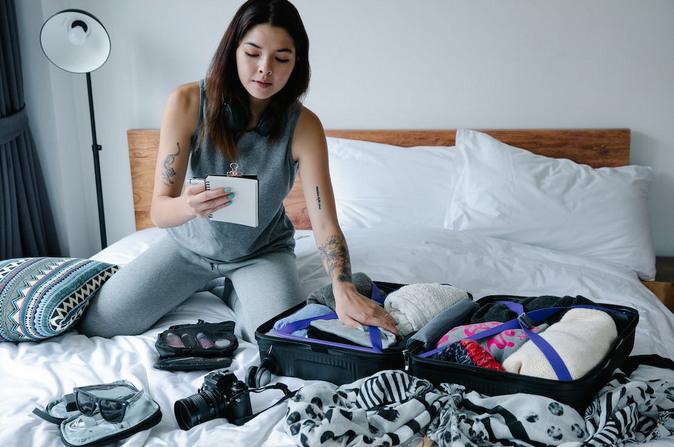
 Last but not least, being realistic when choosing clothes for your travels is essential. It’s easy to get carried away and pack too much, but remember you’ll need to carry everything. Stick to the essentials and be mindful of the weight and size of your luggage. And don’t forget that you can always do laundry while you’re on the road.
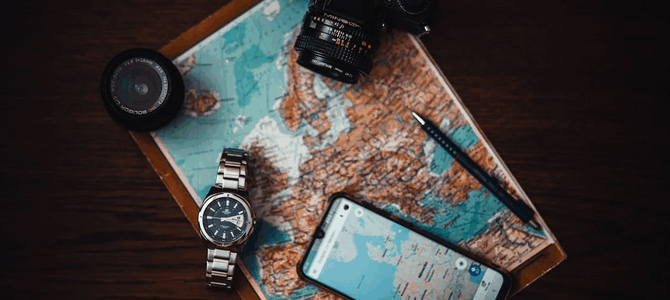
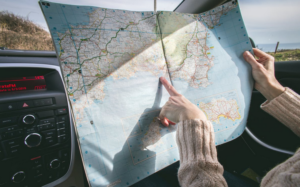 The first step in planning any road trip is to choose your destination. It may seem like a no-brainer, but it’s important to pick somewhere that you’ll want to spend time. Do some research on the area and make sure some activities interest you. You don’t want to end up somewhere boring, so take the time to find a destination that you’ll enjoy. Once you have a general idea of where you want to go, it’s time to start planning your route. If unsure of the best way to get there, use a mapping website or app to help plan your trip. Keep in mind that the shortest route isn’t always the best option. Sometimes, taking a longer but more scenic route can make for a more enjoyable trip.
 The next step is to choose your transportation. If you have a car, that’s great! But if not, you can always rent one. Just be sure to factor in the cost of gas when budgeting for your trip. If you’re renting a car, get all the insurance covers. You don’t want to be stuck with a massive bill if you have an accident. Also, read the rental agreement carefully to understand all the rules and restrictions. If you’re not renting a car, there are other options for transportation. You could take a bus or train, but that can sometimes be more expensive. You could also hitchhike, but that comes with its own set of risks.
 Do you love manatees? Then you need to add Three Sister Springs to your Florida bucket list. This beautiful spring is one of the few places where you can see these gentle giants up close and personal. Visitors can take a guided kayak tour or paddleboard through the crystal clear waters and get an up-close look at the manatees. You can even snorkel with them. If you’re looking for a more relaxing experience, Three Sister Springs also offers yoga and meditation classes. There is truly something for everyone at this hidden gem in Citrus County.
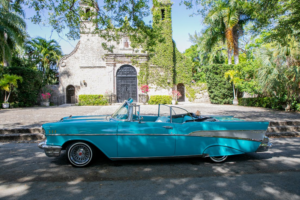 Last but not least, this hidden gem is for all the foodies out there. Little Havana is a neighborhood in Miami home to some of the best Cuban food you will ever eat. From delicious Cuban sandwiches to mouthwatering guava pastries, there is something for everyone in Little Havana. You can also enjoy live music and dance the night away at one of the many clubs and bars. If you’re looking for a truly unique and authentic experience, you need to add Little Havana to your Florida bucket list.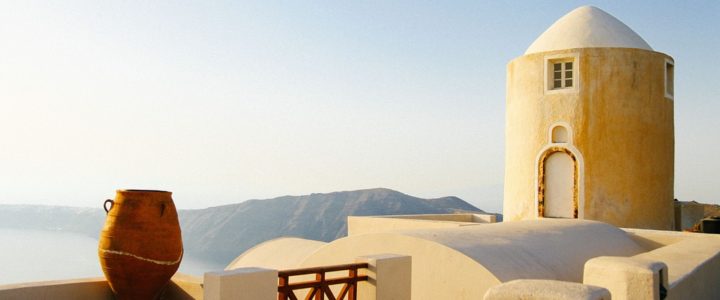
 Different people have different travel styles. Some individuals love to sightsee when the weather is warm. Others like to work on their tan. Therefore, they prefer sunny weather. Some people prefer cold temperatures; consequently, they travel during winter. The weather preference can, thus, help you narrow down your options. You should, however, keep in mind that if you travel during the peak season, you will pay more for your trip. Therefore, if you are on a budget, it is advisable to travel during the off-peak season. The weather may be pleasant, but it may not be what you are looking for. The good thing about this is that few people travel during that season hence you will not be affected by the crowds.
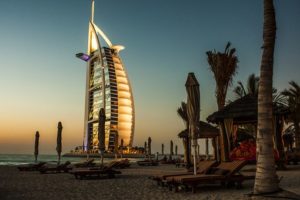 You need to know if you want mountains or beaches. Other experiences include sightseeing, historical visits to various cultural sites and foodie holidays. The travel experience you want will guide you to choosing the best destination for you. If you are traveling with companions, they should have the same goals as yours so that you can all enjoy the trip.…