
South Korea’s urban landscape is evolving at a remarkable pace, with cities like Daegu, Seoul, and Busan becoming hubs of cultural, entertainment, and social activity. For travelers and residents alike, understanding these urban rhythms depends on accurate, timely, and locally focused information. Exploring the 대구의밤 소개, users will see how digital tools capture the pulse of a city, revealing which neighborhoods are buzzing, which streets host the best nightlife, and how social patterns shift throughout the week. Daebam, in particular, offers a case study in how urban information is being collected, shared, and consumed, reflecting broader trends in Korea’s approach to city data. By combining geographic specificity with user-generated insights, it highlights how digital platforms are shaping travel and local exploration.
Geographic Precision That Enhances Exploration
One of the most significant trends Daebam reveals is the value of precise location data for urban exploration. Travelers rarely approach a city with a purely general plan; they seek specific neighborhoods, streets, or venues that match their interests. Daebam organizes information by districts and local zones, allowing users to understand which areas are best for dining, nightlife, or cultural visits. By mapping experiences to defined geographic areas, the platform simplifies urban discovery. Travelers can plan efficiently, knowing which venues cluster together, which streets are pedestrian-friendly, and how entertainment corridors connect. This precision reduces guesswork and creates a more confident, structured experience of the city, reflecting a broader trend in Korea’s urban information ecosystem toward clarity and actionable insights.
Integration of Real-Time Updates

Urban environments are dynamic, and what is relevant today may shift tomorrow. Festivals, new openings, or temporary street events can alter the flow of activity within hours. Daebam addresses this through continuous updates, integrating both official schedules and crowdsourced feedback. This responsiveness allows users to experience the city as it actually functions, rather than relying on static guides. Real-time updates reveal emerging hotspots, seasonal popularity, and temporary closures. For travelers, this immediacy is critical, providing a sense of security and relevance that traditional travel guides often lack. Korea’s cities increasingly rely on such digital adaptability to communicate accurate information, reflecting a nationwide trend toward dynamic urban data management.
User-Generated Insights to Drive Reliability
Another trend highlighted by Daebam is the power of community input. User reviews, photos, and experience sharing create a living database of urban activity, giving a human perspective to digital information. Travelers can compare peer experiences, identify recurring recommendations, and avoid less favorable locations. This approach strengthens credibility because collective experiences reduce bias. Users trust data that has been tested by others, particularly when multiple accounts converge around a district or venue. By emphasizing crowdsourced insights, Daebam mirrors a broader Korean urban trend: platforms are increasingly relying on user participation to maintain relevance, accuracy, and depth in city information.
Cross-District Connections Showing Urban Patterns
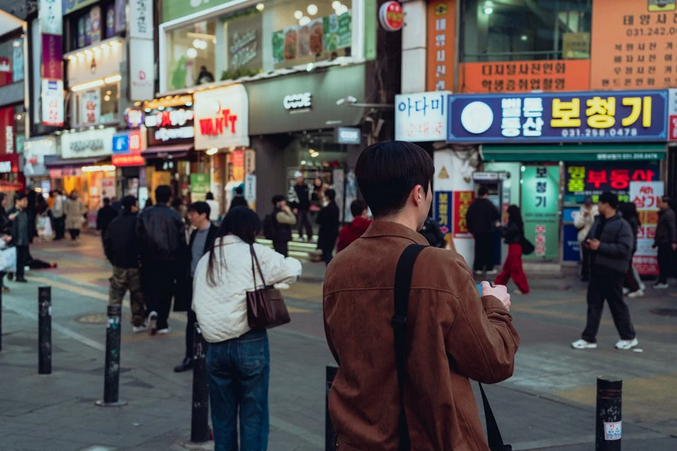
Daebam also reveals how urban information can illuminate patterns that cross district boundaries. Cities are not isolated collections of streets; they operate as networks of interrelated neighborhoods. By analyzing user movements and preferences, the platform highlights which districts are visited sequentially, where entertainment flows shift during the evening, and how cultural hubs influence adjacent areas. This networked perspective transforms travel planning. Instead of treating each neighborhood in isolation, users can explore connected areas with strategic intent, maximizing experiences in time-limited visits. Korean urban …